
3x
More ECG and Holter data processing capacity
See the Wound Between Visits.
A post-discharge surgical wound solution for hospitals, health systems, and device makers. A 30-second daily phone photo becomes a risk-ranked queue and a clinician-confirmed decision.
Watch the patient, coordinator, physician, and program lead act on one shared record.
After discharge, wound concerns arrive as phone calls, blurry portal photos, or emergency visits. Under CMS TEAM, the hospital answers for those 30 days, and photos wait in an inbox in arrival order.
Thirty-day post-discharge cost sits on your P&L, and wound complications reach you as readmissions and ED visits.
A daily view of every incision between discharge and the follow-up visit, without adding clinic visits.
Thirty-day post-discharge cost sits on your P&L, and wound complications reach you as readmissions and ED visits.
A daily view of every incision between discharge and the follow-up visit, without adding clinic visits.
A guided camera checks framing, light, and focus before the shutter unlocks, so every daily photo is ready to grade.
A heatmap marks which pixels drove the grade, beside six scored attributes: healing, exudate, erythema, edema, risk, and urgency.
Escalation arrives pre-filled. The physician sees the photo, heatmap, and vitals on one screen, and the signed order returns to the patient’s phone.
One queue ranks the whole cohort by risk and flags overdue photos, so coordinators start where attention is needed.
A separate vision-language model reads the same photo without seeing the first answer. Disagreement goes to a human.
Analytics, model governance, a clinician feedback loop, and an audit trail show how the AI performs and who decided what.
Designed first for LVAD driveline exit sites, then extended with a classifier for post-operative surgical incisions.
Each daily photo extends a timeline, so change is read against the patient’s own baseline and trend over days.
The AI ranks and routes. A clinician confirms every escalation outcome and every order, and every action is audited.
Pairs with CareRPM so one program sees both the device and the wound: CareRPM runs the device and billing, Woundline watches the wound.
3x
More ECG and Holter data processing capacity
50%
Reduction in diagnostic turnaround for cardiologists
30%
Higher platform adoption through API interoperability
A tele-cardiac provider’s on-premises platform limited how fast ECG and Holter data could be analyzed. We moved it to an AWS architecture with auto-scaling Kubernetes clusters, migrated its arrhythmia detection models, and added FHIR and HL7 APIs for hospitals, labs, and wearables.
Read Case Study



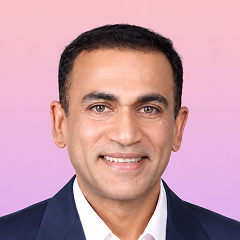
Bhupesh Nadkarni
Head, Healthcare
We build it. You own it.