
Abhishek Ghosh
Introduction
Software architecture is the invisible backbone of every software system. It’s the underlying structure that determines a system's scalability, maintainability, and performance. Architectural patterns are the proven design techniques that guide us in building these structures. At Coditas, we’ve honed our expertise in applying these patterns to complex, real-world challenges. From crafting scalable microservices architectures to designing resilient distributed systems, we’ve seen firsthand the power of these patterns. Speaking of which, let’s check some of the most common patterns, exploring their strengths, weaknesses, and practical applications. Whether you're a seasoned architect or a budding developer, understanding these patterns is essential for building software that stands the test of time.
Core Architectural Patterns
1. Layered Architecture
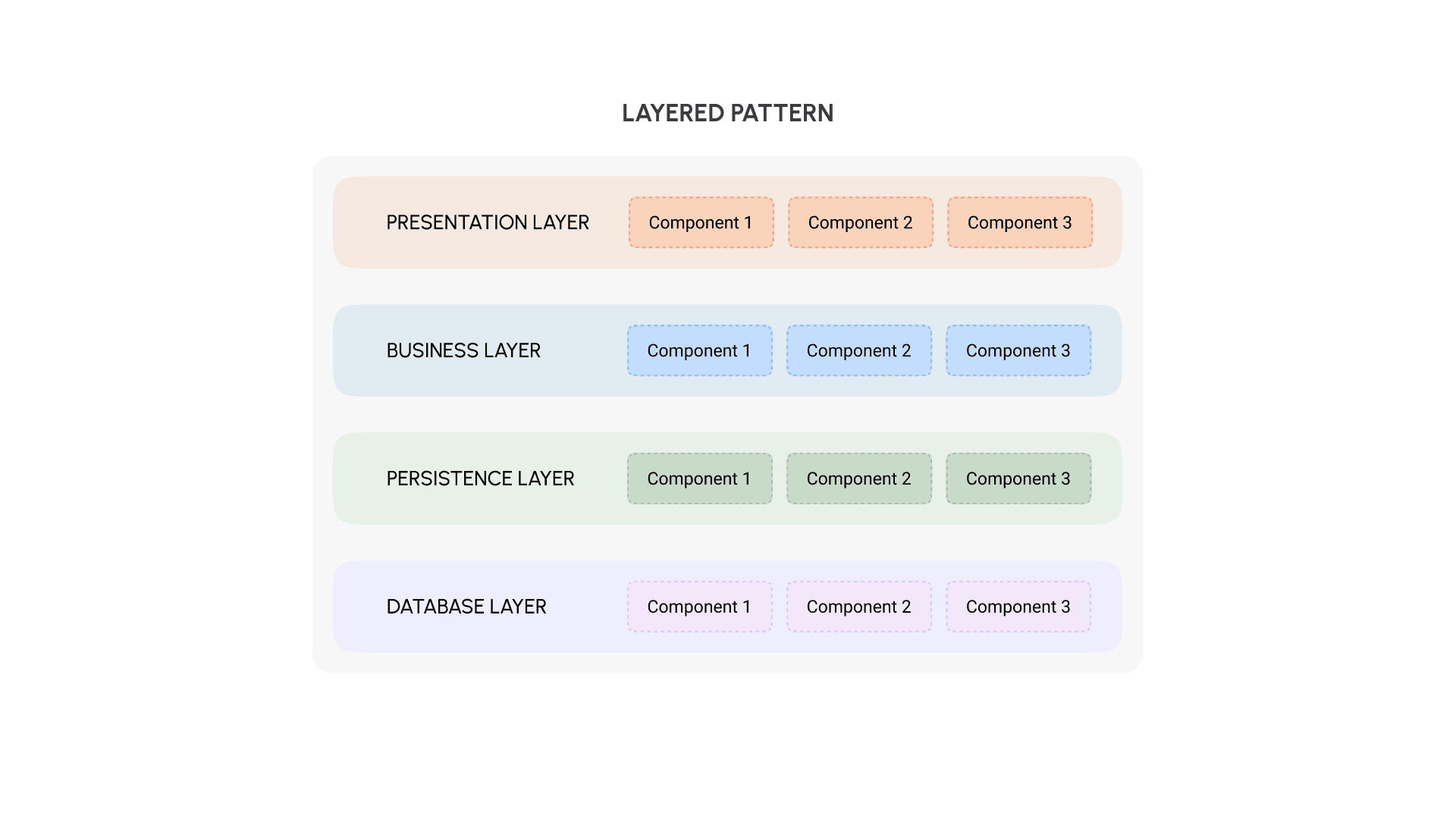
Layered architecture is probably the pattern everyone encounters first, and for good reason: it’s simple and structured. Picture an application split into distinct layers (often presentation, business, and data layers), each of which has its own set of tasks. Think of it as a factory where each layer has a clear responsibility. The advantage here is separation of concerns, which is incredibly useful when you’re working on complex systems that need to grow. We, at Coditas, often recommend layered architectures for systems requiring modularity and scalability, particularly in industries like finance and healthcare, where robust data flows and clean separation are key. The downside, however, is that all those layers introduce latency, especially when you don’t need the whole stack.
2. Client-Server Architecture
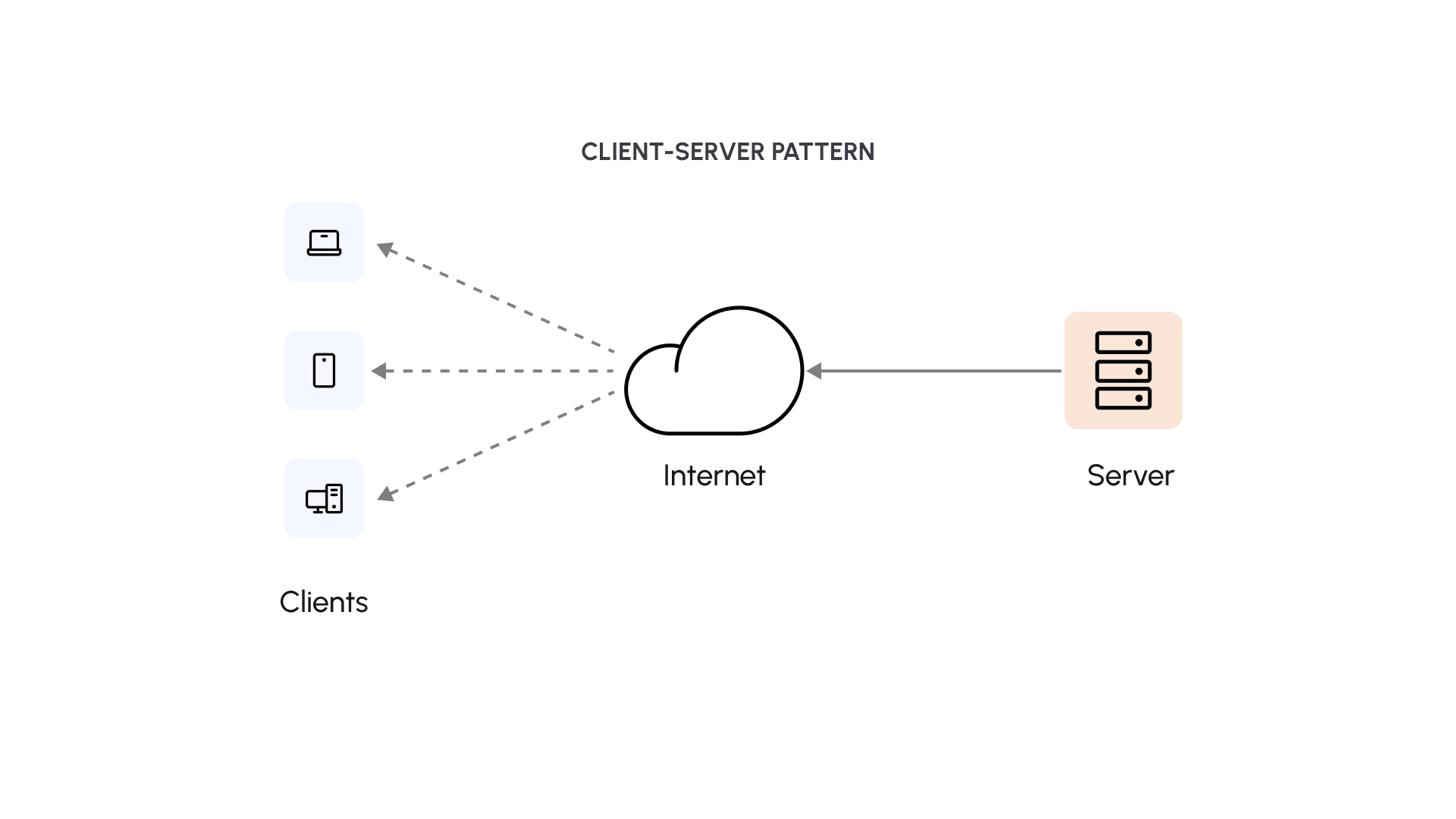
Client-server is one of those patterns that feels so fundamental, it’s practically the backbone of the internet. At its core, it separates a system into two roles: clients, who request services, and servers, which fulfill those requests. You can go with a stateful server that keeps track of sessions or stateless, which clears data after each interaction, ideal for scalable web applications. A web browser communicating with a server is the perfect example. It’s scalable and can serve multiple clients at once. Yet, the trade-off here is obvious—if the server goes down, so does the entire operation. Resilience needs careful management to avoid turning the server into a single point of failure.
3. Master-Slave Architecture
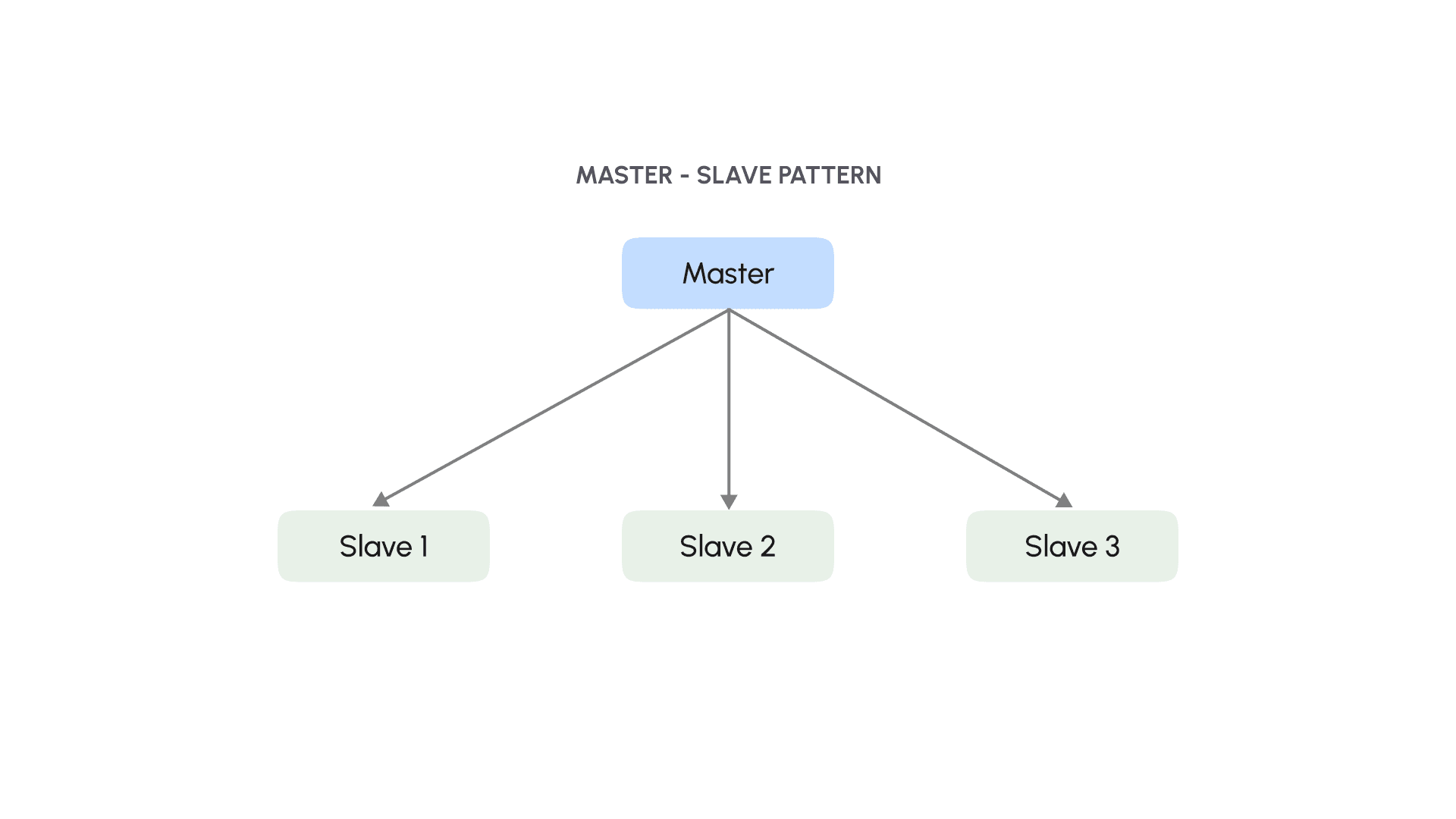
The master-slave architecture pattern can feel a bit old-school, but it remains invaluable for certain tasks. Here, the master controls, while the slaves execute. You see this a lot in data replication or distributed databases where the master distributes tasks among slaves. It’s a dependable way to manage redundancy and ensure that if one “slave” fails, others can pick up the slack. However, it’s not without drawbacks. The master can become a bottleneck, especially in data-heavy applications. And then there’s the risk of a single point of failure, which can be problematic in complex environments. Database replication is a real-world application—think of MySQL, where data from a primary database (master) is replicated to secondary databases (slaves).
4. Pipe-Filter Architecture
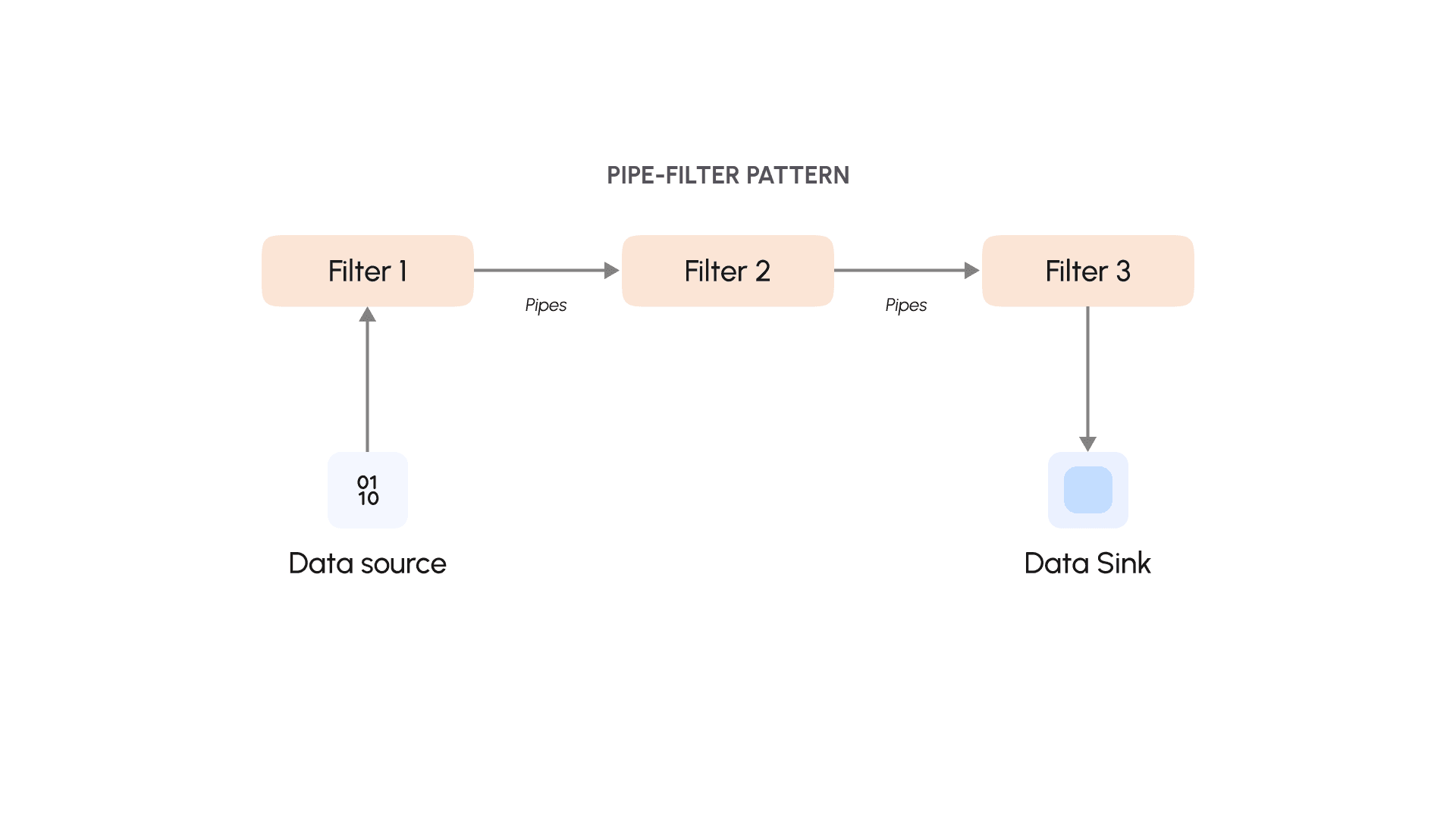
Imagine a long assembly line where each station performs a specific task, handing its result to the next. That’s essentially the pipe-filter architecture. Data moves through a series of filters (processing steps) connected by pipes (data conduits). It’s ideal for data transformations, like in compilers where data needs to be analyzed, parsed, and then converted into code. Pros? It’s modular, so each filter can be tested individually. Cons? The data flow can make debugging a challenge, and performance might take a hit as data moves sequentially. We see this pattern in UNIX, where simple commands are chained together to achieve complex operations through pipes.
5. Broker Architecture
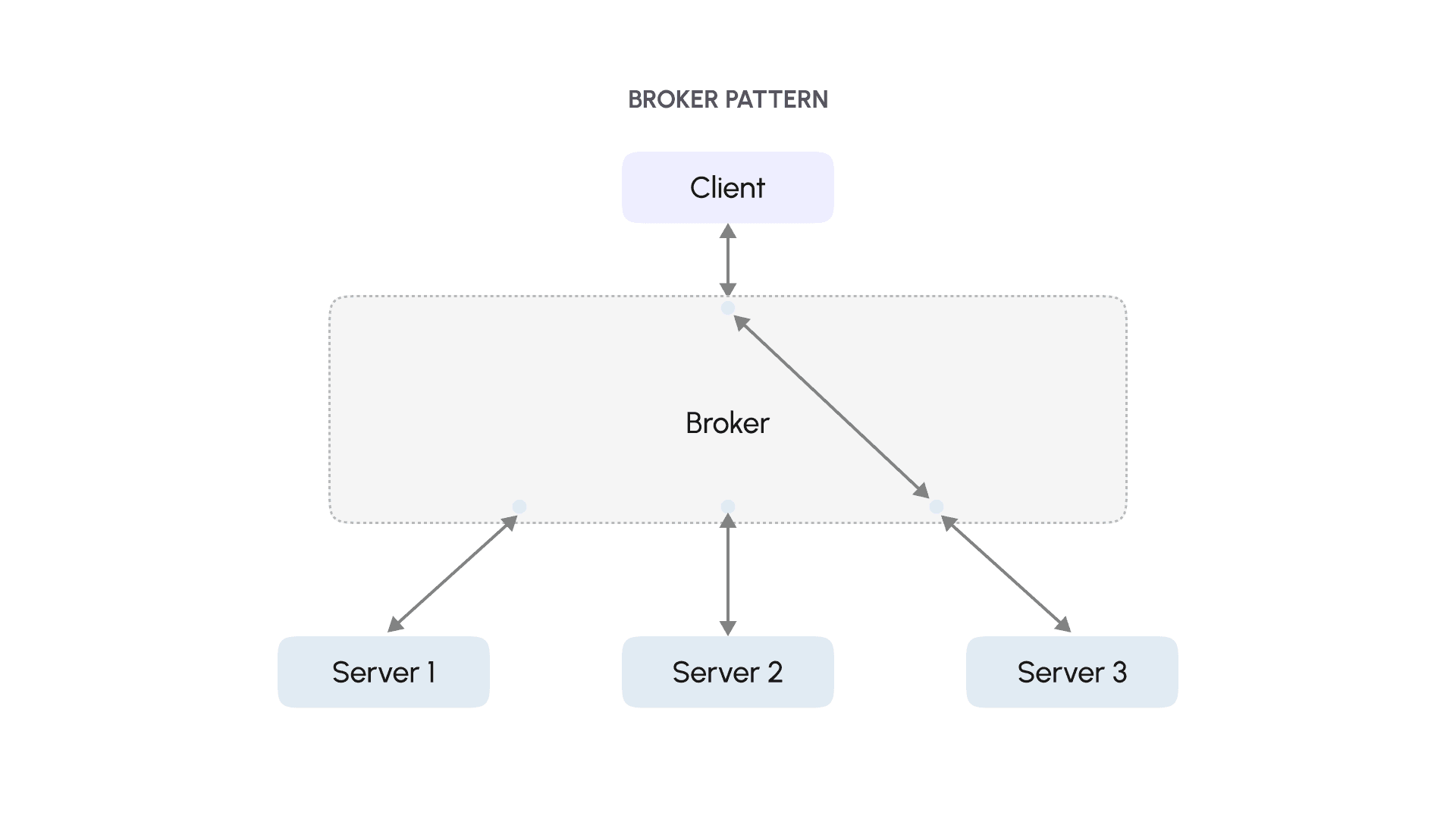
In broker architecture, a middleman—or “broker”—handles interactions among components. This pattern is common in distributed systems where components don’t need to know each other’s details to interact. The broker manages communication and data translation, which adds a layer of abstraction and keeps things modular. The benefit? It simplifies complex systems by centralizing communication, which is useful for distributed applications. But if the broker fails, so does the entire system, which can be risky. A familiar example is an enterprise service bus (ESB) in an enterprise setup, where the broker coordinates services across an organization.
6. Peer-to-Peer (P2P) Architecture
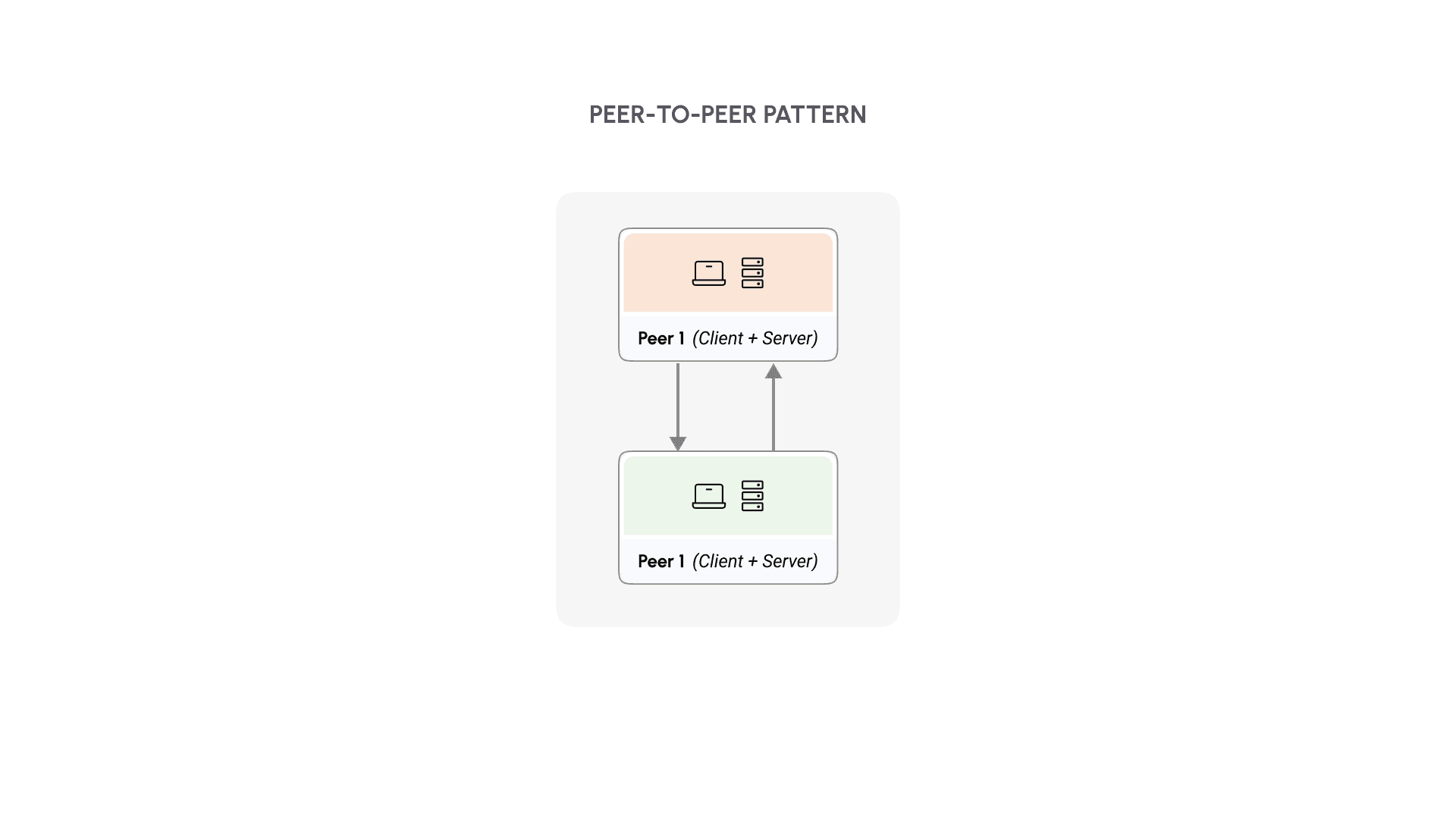
Unlike most other architectures, P2P systems have no central authority. Instead, each node, or peer, acts as both a client and a server, which makes the system resilient and scalable. This decentralized approach shines in applications like file sharing and blockchain. P2P strengths include fault tolerance and efficient resource distribution. However, challenges include security risks, given the lack of a central control, and difficulties in ensuring data consistency. BitTorrent is a famous example, where each peer in the network simultaneously uploads and downloads parts of a file.
7. Event-Bus Architecture
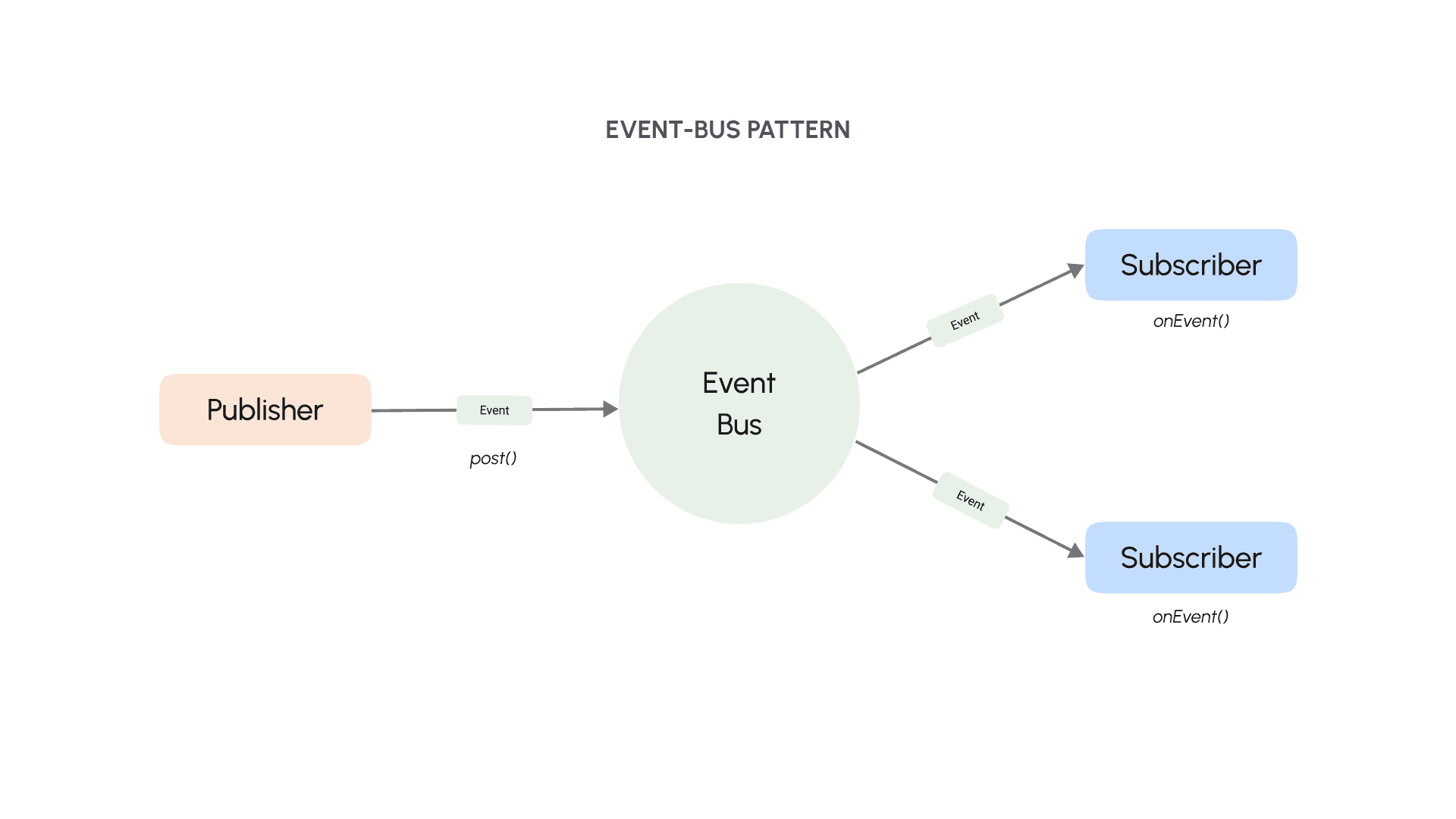
Event-bus architecture is essentially the go-to for systems that require loose coupling and high scalability. Here, an event bus acts as a central handler for events, allowing components to respond to events asynchronously. When one component triggers an event, any subscribed component can respond. The advantages of this model are clear in environments like real-time analytics, where responsiveness is key. However, managing the flow of events can be difficult, especially when dealing with high volumes. Real-time analytics in business intelligence systems leverage event-bus architecture to monitor and analyze data streams.
8. Model-View-Controller (MVC) Architecture
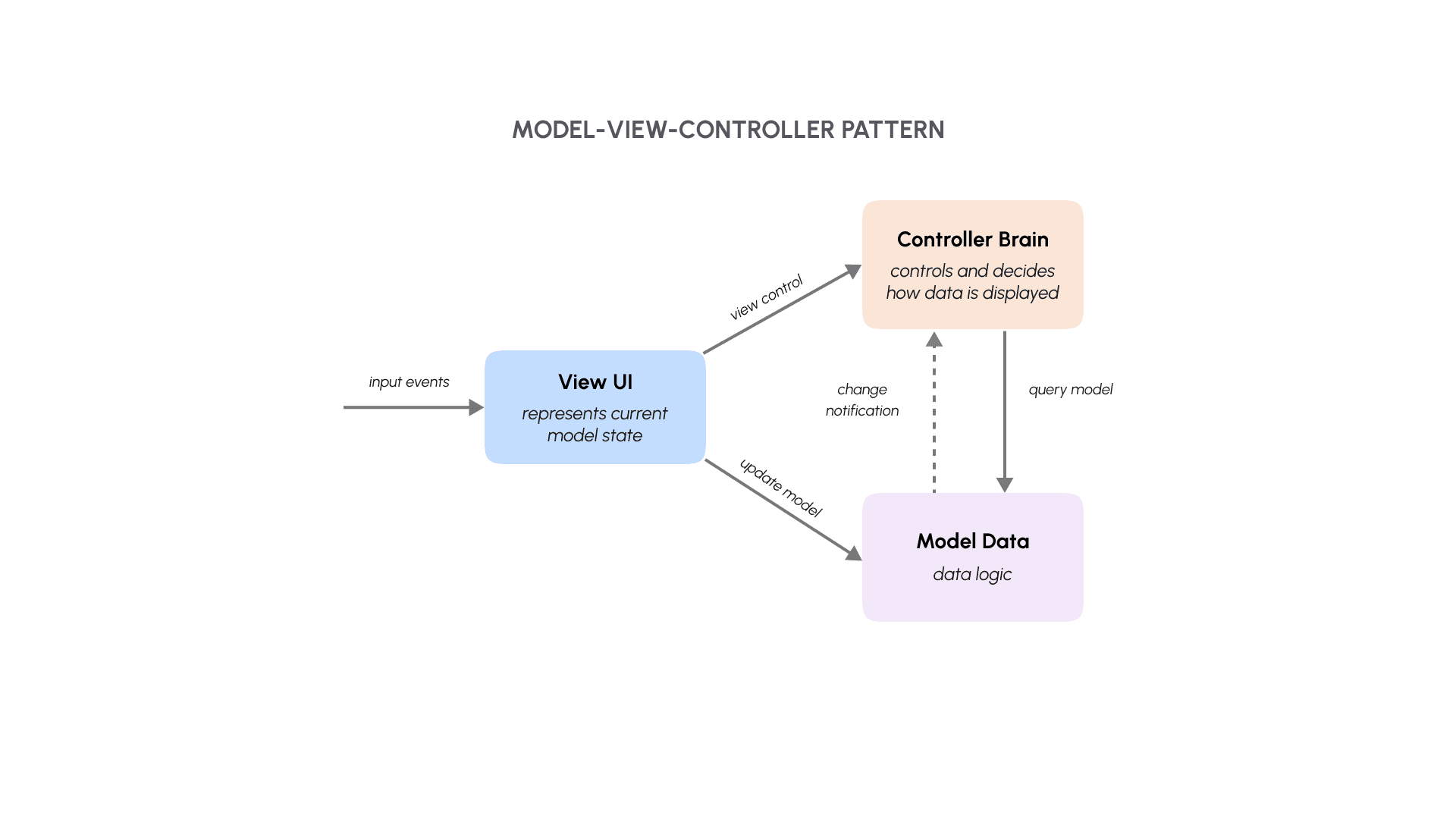
MVC divides an application into three parts: the Model (data), the View (UI), and the Controller (logic). Each has its own role, which helps streamline development and testing. Web frameworks like Django and Ruby on Rails make heavy use of MVC, as it facilitates organized and scalable applications. Upside? It allows for organized code and clear separation, which is great for teamwork. Downside? It can become overly complex if not managed properly, especially in large-scale applications.
9. Blackboard Architecture
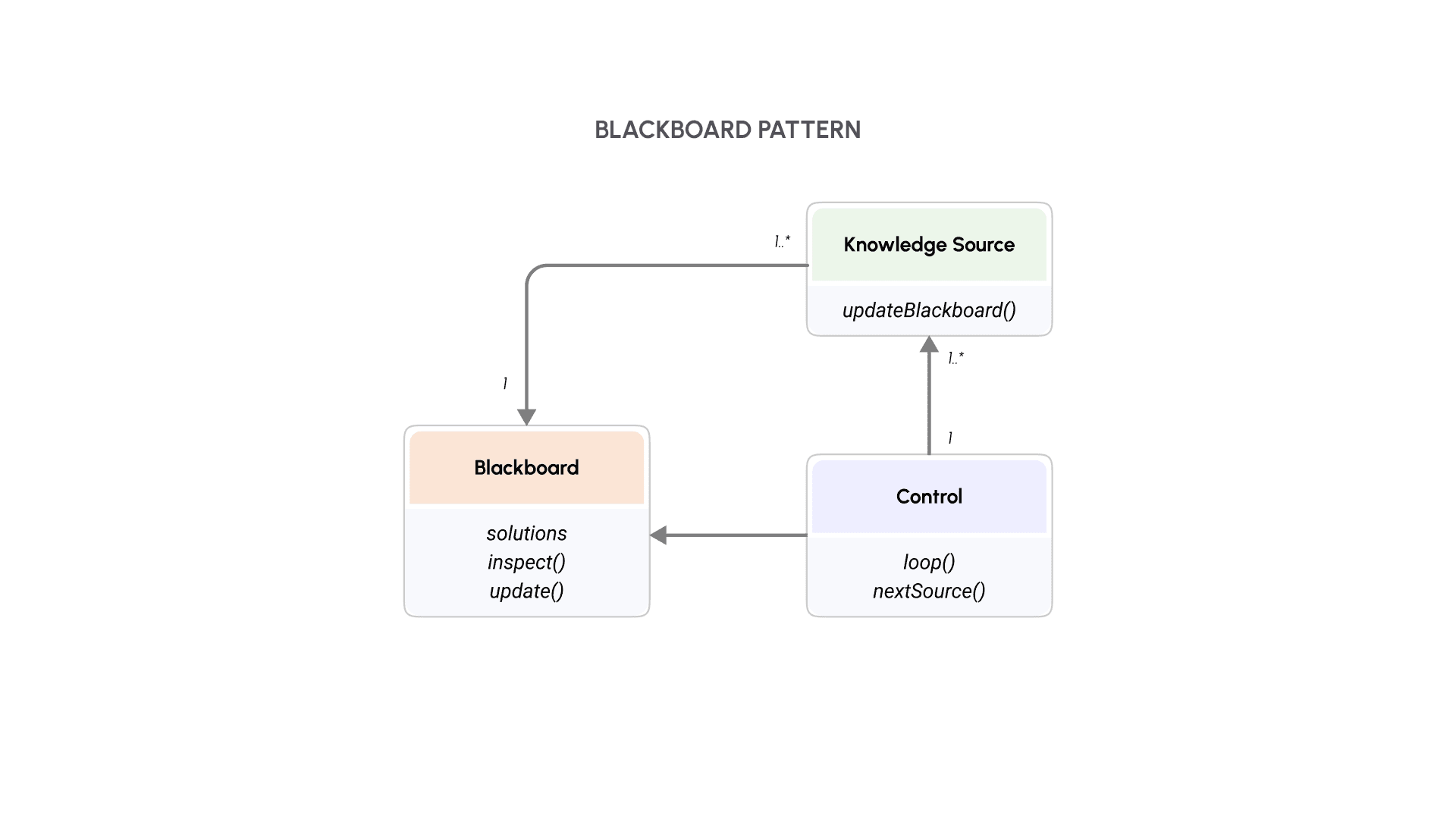
The blackboard architecture is like a group brainstorming session where each member contributes knowledge. Components (knowledge sources) read and write data to a central blackboard, progressively building on each other’s contributions. This is effective for problems with no straightforward solutions, such as complex simulations. However, coordinating contributions can be tricky, and as the number of components grows, the blackboard can become chaotic. AI research, particularly in systems requiring multiple algorithms to tackle a problem, makes use of this architecture.
10. Interpreter Architecture
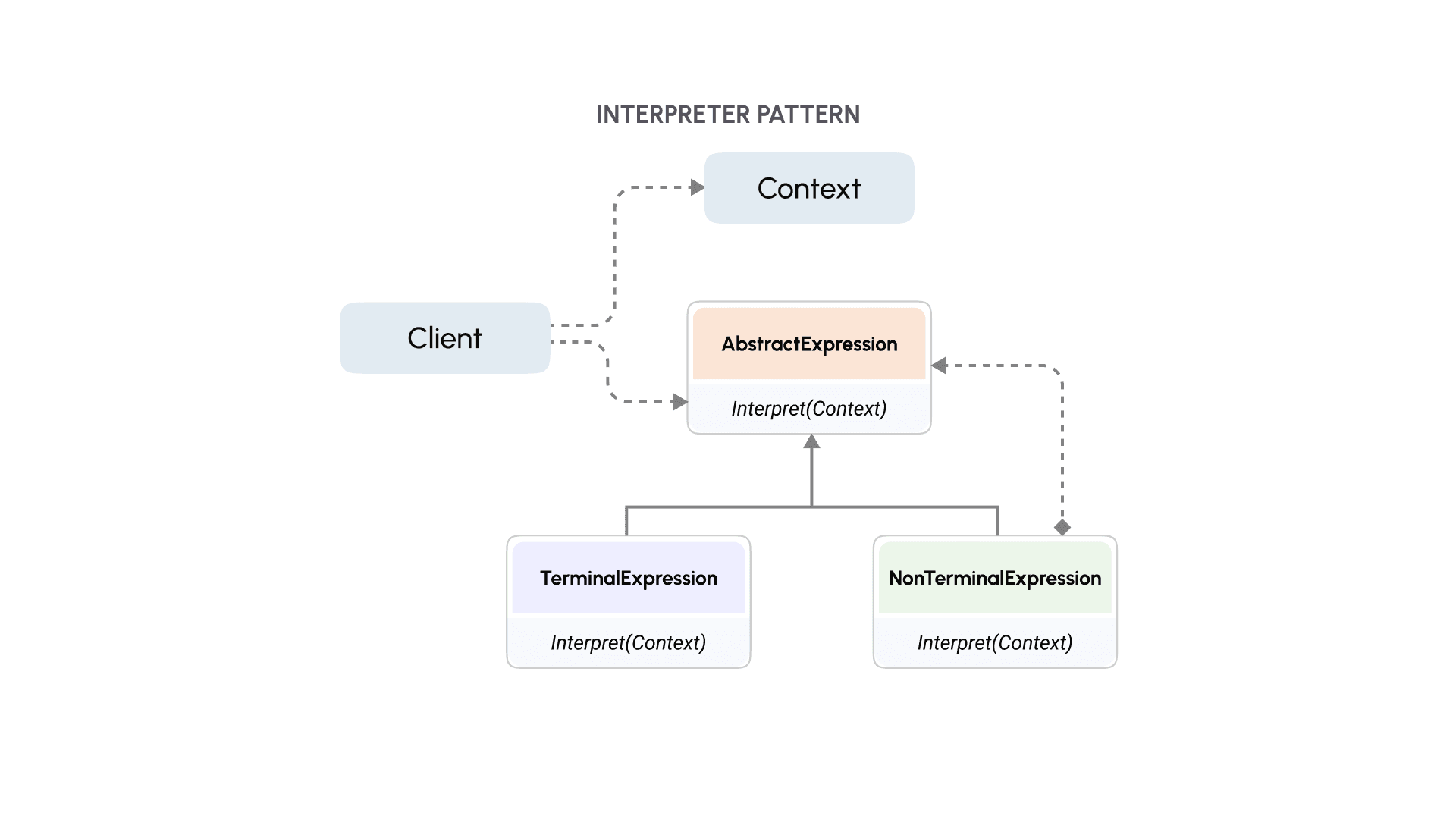
Interpreter architecture is specific to cases where instructions need to be parsed and executed at runtime. Here, an interpreter reads each line of code, interprets it, and performs the specified operations. It’s highly adaptable, as new commands can be easily added. However, it’s generally slower than compiled languages. Examples include scripting languages like Python or JavaScript, where the interpreter runs code directly.
Choosing the Right Pattern
Architectural patterns are more than just choices; they’re commitments. Choosing the right pattern means aligning it with not just current needs but also future requirements. It’s essential to evaluate factors like expected load, fault tolerance, maintainability, and the team’s familiarity with the pattern. Consider, for example, if you need high flexibility and anticipate many real-time updates—a layered architecture might be too rigid, but an event-bus model could work well. Conversely, if security and control are priorities, a client-server or layered architecture might make more sense.
Final Thoughts
Understanding and applying architectural patterns effectively is as much about recognizing limitations as about seeing benefits. Each pattern has strengths and weaknesses, and successful architecture is about balancing trade-offs. By choosing patterns thoughtfully, software architects can shape systems that are resilient, adaptable, and prepared to meet evolving demands.